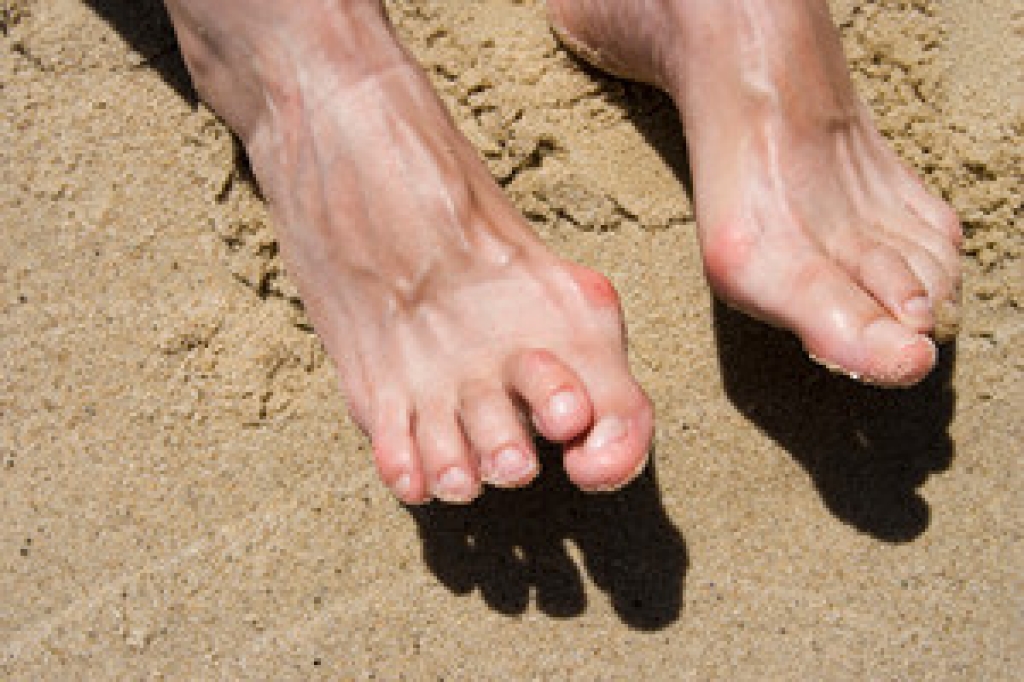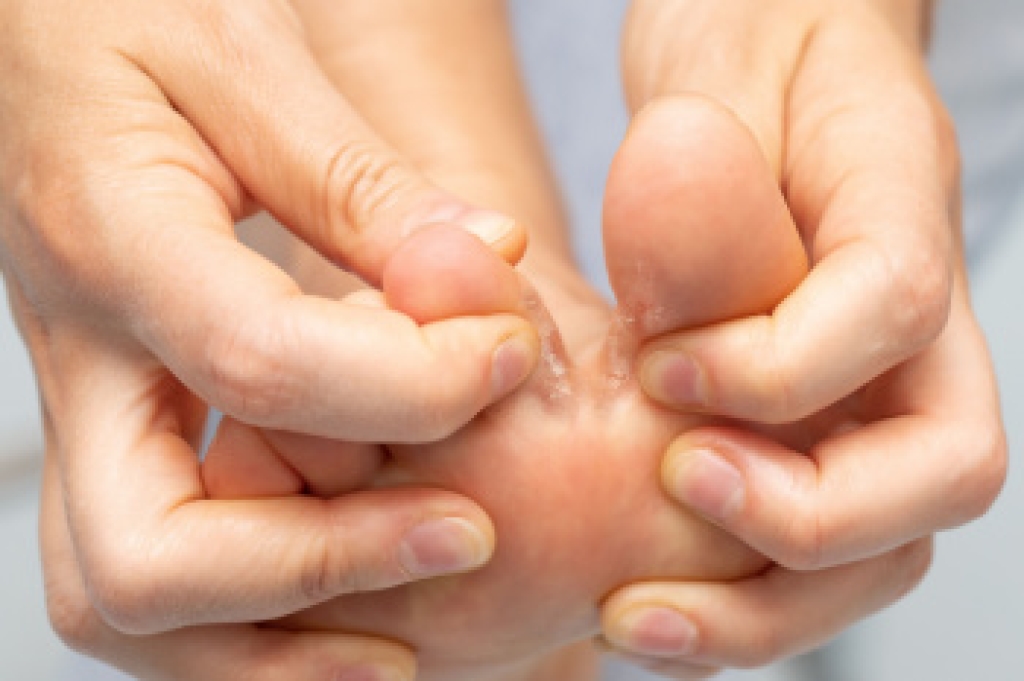
Athlete’s foot can cause more than temporary irritation. This fungal infection affects the skin of the feet and commonly develops between the toes. Shoes can create a warm, dark, and moist environment that allows fungus to grow. Damp areas around pools, showers, and locker rooms can also expose feet to the fungus. The condition can cause dry-looking skin, itching, or scaling. Some patients develop swelling or blisters that can leave the skin cracked and sore. Athlete’s foot can also spread to the soles of the feet and toenails.
Recognizing the signs can help a podiatrist determine whether athlete’s foot is causing the skin changes. Other skin conditions can look similar, so an accurate diagnosis is important. A podiatrist can examine the affected area and determine whether a fungal infection is present. Treatment can include antifungal medication, which works against the fungus causing the infection. Depending on the location and severity of the infection, medication can be applied directly to the skin or taken by mouth. A podiatrist can also create a treatment plan based on the patient’s symptoms and how the infection has responded to previous care.
Prompt attention can be especially helpful when symptoms continue or spread to other areas of the feet. Athlete’s foot can affect the toenails and can spread to other parts of the body through scratching and touching. A podiatrist can help identify the source of persistent symptoms and determine the appropriate treatment. Podiatric care can also help distinguish athlete’s foot from another condition that causes similar skin changes. Patients should seek evaluation when symptoms do not improve with appropriate care or when the infection continues to return. If you have symptoms of athlete's foot, it is suggested that you promptly schedule an appointment with a podiatrist for effective relief and treatment solutions.
Athlete’s foot is an inconvenient condition that can be easily reduced with the proper treatment. If you have any concerns about your feet and ankles, contact one of our podiatrists from Comprehensive Foot & Ankle Center. Our doctors will treat your foot and ankle needs.
Athlete’s Foot: The Sole Story
Athlete's foot, also known as tinea pedis, can be an extremely contagious foot infection. It is commonly contracted in public changing areas and bathrooms, dormitory style living quarters, around locker rooms and public swimming pools, or anywhere your feet often come into contact with other people.
Solutions to Combat Athlete’s Foot
- Hydrate your feet by using lotion
- Exfoliate
- Buff off nails
- Use of anti-fungal products
- Examine your feet and visit your doctor if any suspicious blisters or cuts develop
Athlete’s foot can cause many irritating symptoms such as dry and flaking skin, itching, and redness. Some more severe symptoms can include bleeding and cracked skin, intense itching and burning, and even pain when walking. In the worst cases, Athlete’s foot can cause blistering as well. Speak to your podiatrist for a better understanding of the different causes of Athlete’s foot, as well as help in determining which treatment options are best for you.
If you have any questions please feel free to contact our offices located in Lehigh Ave and Nazareth Hospital in Philadelphia, Collegeville Darby, and Langhorne, PA . We offer the newest diagnostic and treatment technologies for all your foot and ankle needs.