Bunions and Podiatric Care

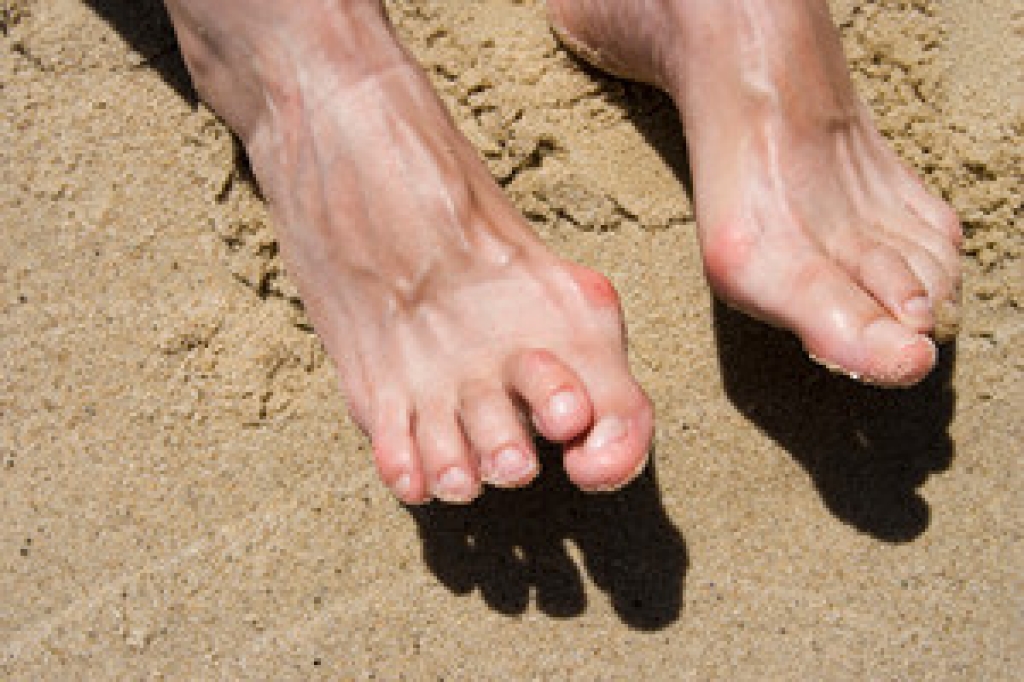
A bunion is a bony area that develops at the base of the big toe when the joint becomes misaligned. This condition causes the big toe to shift toward the smaller toes, leading to visible deformity and discomfort. Risk factors include genetics, wearing improper footwear, foot structure, and repetitive stress on the forefoot. Common symptoms include pain and soreness around the joint, numbness or burning sensations, redness, and swelling. Many people notice a painful bump at the base of the affected toe that worsens with walking or wearing tight shoes. A podiatrist can help by evaluating foot alignment and determining the severity of the bunion. Treatment options may include footwear recommendations, padding, orthotics, and pain management strategies. If bunion pain or irritation is affecting your mobility or quality of life, it is suggested that you consult a podiatrist who can offer effective relief and treatment solutions. 

If you are suffering from bunions, contact one of our podiatrists of Comprehensive Foot & Ankle Center. Our doctors can provide the care you need to keep you pain-free and on your feet.

What Is a Bunion?

A bunion is formed of swollen tissue or an enlargement of boney growth, usually located at the base joint of the toe that connects to the foot. The swelling occurs due to the bones in the big toe shifting inward, which impacts the other toes of the foot. This causes the area around the base of the big toe to become inflamed and painful.

Why Do Bunions Form?

Genetics – Susceptibility to bunions are often hereditary

Stress on the feet – Poorly fitted and uncomfortable footwear that places stress on feet, such as heels, can worsen existing bunions

How Are Bunions Diagnosed?

Podiatrists often perform two tests – blood tests and x-rays – when trying to diagnose bunions, especially in the early stages of development. Blood tests help determine if the foot pain is being caused by something else, such as arthritis, while x-rays provide a clear picture of your bone structure to your provider.

How Are Bunions Treated?

  • Refrain from wearing heels or similar shoes that cause discomfort
  • Select wider shoes that can provide more comfort and reduce pain
  • Anti-inflammatory and pain management drugs
  • Orthotics or foot inserts
  • Surgery

If you have any questions, please feel free to contact our offices located in Lehigh Ave and Nazareth Hospital in Philadelphia, Collegeville Darby, and Langhorne, PA . We offer the newest diagnostic and treatment technologies for all your foot care needs.

Read more about Bunions

Shoes for Comfort and Safety of Restaurant Workers

For restaurant workers, choosing the right shoes is essential to maintain comfort, safety, and long-term foot health. Shoes should provide excellent comfort with cushioning in the midsole and supportive insoles that reduce strain on the feet, ankles, and knees during long shifts. Slip resistance is critical to prevent accidents on wet or greasy floors. Durability is also important, as shoes must withstand constant movement, cleaning, and exposure to spills. A well- constructed shoe includes a supportive upper for stability, a comfortable lining to reduce friction, and a resilient insole for added shock absorption. A podiatrist can evaluate foot structure, gait, and work demands to recommend shoes or custom orthotics that improve comfort and prevent pain. If foot fatigue or discomfort is affecting your performance, it is suggested that you consult a podiatrist who can treat various foot and ankle conditions, and guide you on how to choose appropriate work shoes. 

While working on the feet, it is important to take the proper care of them. For more information about working on your feet, contact one of our podiatrists from Comprehensive Foot & Ankle Center. Our doctors will treat your foot and ankle needs.

Working on Your Feet

Standing on your feet for long periods of time can cause stress and pain in your feet. Your whole body may experience change in terms of posture, back pain, bunions, callouses and or plantar warts. There are ways to avoid these conditions with proper foot care, smart choices and correct posture.

Positive Changes

Negative heeled shoe – Choosing this shoe type places the heel slightly lower than the ball of the foot. These are great for overall foot health. Find shoes that fit you correctly.

Go barefoot – Our feet were not designed to be enclosed for all hours of the day. Try to periodically expose your feet to air.

Eliminate Pain

Foot Exercises – Performing simple exercises, incorporating yoga and doing stretches are beneficial. This will allow increased blood flow to the area and muscles of the foot.

Achilles tendon – Stretching the foot out flat on the floor will relax the calf muscles and tendon. These exercises can be performed almost anywhere. Make sure you add these exercises to your daily regimen. 

With a little bit of this information and knowing more about foot health, you will notice changes. Foot stretches and proper footwear will help with pain and prevent further issues.

If you have any questions please contact our offices located in Lehigh Ave and Nazareth Hospital in Philadelphia, Collegeville Darby, and Langhorne, PA . We offer the newest diagnostic and treatment technologies for all your foot and ankle needs.


Read more about How to Handle a Long Work Day on Your Feet

Keep Your Feet Healthy So You Can Stay Active

Have your feet inspected by a professional before starting a new sport or physical activity. Taking charge of your foot health will keep you in good physical condition and can help you avoid a potential injury, such as a fracture or sprained ankle.

Prevent injuries and see a foot specialist.

Caring for Swollen Feet Related to Diabetes

Swelling in the feet is a common concern for people living with diabetes because circulation, fluid balance, and nerve function can all be affected. Treatment focuses on identifying the cause of the swelling and easing pressure on the tissues. Elevation, wearing supportive footwear, and gentle movement often help improve fluid return, while managing blood sugar can reduce inflammation that contributes to fullness in the feet. Some individuals benefit from compression garments designed specifically for diabetic use, and others may need evaluation for circulation problems or early signs of infection. A podiatrist can assess the skin, nails, and blood flow, recommend safe ways to reduce swelling, and identify any underlying issues that may require more focused care. If your swelling worsens, becomes painful, or makes walking difficult, it is suggested that you see a podiatrist for effective relief tips.

Diabetic foot care is important in preventing foot ailments such as ulcers. If you are suffering from diabetes or have any other concerns about your feet, contact one of our podiatrists from Comprehensive Foot & Ankle Center. Our doctors can provide the care you need to keep you pain-free and on your feet.

Diabetic Foot Care

Diabetes affects millions of people every year. The condition can damage blood vessels in many parts of the body, especially the feet. Because of this, taking care of your feet is essential if you have diabetes, and having a podiatrist help monitor your foot health is highly recommended.

The Importance of Caring for Your Feet

  • Routinely inspect your feet for bruises or sores.
  • Wear socks that fit your feet comfortably.
  • Wear comfortable shoes that provide adequate support.

Patients with diabetes should have their doctor monitor their blood levels, as blood sugar levels play such a huge role in diabetic care. Monitoring these levels on a regular basis is highly advised.

It is always best to inform your healthcare professional of any concerns you may have regarding your feet, especially for diabetic patients. Early treatment and routine foot examinations are keys to maintaining proper health, especially because severe complications can arise if proper treatment is not applied.

If you have any questions, please feel free to contact our offices located in Lehigh Ave and Nazareth Hospital in Philadelphia, Collegeville Darby, and Langhorne, PA . We offer the newest diagnostic and treatment technologies for all your foot care needs.

Read more about Diabetic Foot Care

Falling May Affect the Feet

Many people have a difficult time recovering from falls that have occurred. Their feet may have become affected, and it may be overwhelming to complete daily activities. There are specific methods that can be implemented that may help to reduce the risk of falling. These can include removing worn rugs from the living environment, installing grab bars in the shower and toilet areas, and it may help to improve existing lighting. Additionally, it is beneficial to have current medication checked by having routine physical and eye examinations performed. Many patients find they may fall less often when the proper shoes are worn. If you would like more information about how possible foot conditions may be avoided by using fall prevention techniques, please confer with a podiatrist.

Preventing falls among the elderly is very important. If you are older and have fallen or fear that you are prone to falling, consult with one of our podiatrists from Comprehensive Foot & Ankle Center. Our doctors will assess your condition and provide you with quality advice and care.

Every 11 seconds, an elderly American is being treated in an emergency room for a fall related injury. Falls are the leading cause of head and hip injuries for those 65 and older. Due to decreases in strength, balance, senses, and lack of awareness, elderly persons are very susceptible to falling. Thankfully, there are a number of things older persons can do to prevent falls.

How to Prevent Falls

Some effective methods that older persons can do to prevent falls include:

  • Enrolling in strength and balance exercise program to increase balance and strength
  • Periodically having your sight and hearing checked
  • Discuss any medications you have with a doctor to see if it increases the risk of falling
  • Clearing the house of falling hazards and installing devices like grab bars and railings
  • Utilizing a walker or cane
  • Wearing shoes that provide good support and cushioning
  • Talking to family members about falling and increasing awareness

Falling can be a traumatic and embarrassing experience for elderly persons; this can make them less willing to leave the house, and less willing to talk to someone about their fears of falling. Doing such things, however, will increase the likelihood of tripping or losing one’s balance. Knowing the causes of falling and how to prevent them is the best way to mitigate the risk of serious injury.  

If you have any questions, please feel free to contact our offices located in Lehigh Ave and Nazareth Hospital in Philadelphia, Collegeville Darby, and Langhorne, PA . We offer the newest diagnostic and treatment technologies for all your foot care needs.

Read more about Falls Prevention

Connect With Us

scroll to top