Morton’s Neuroma Facts

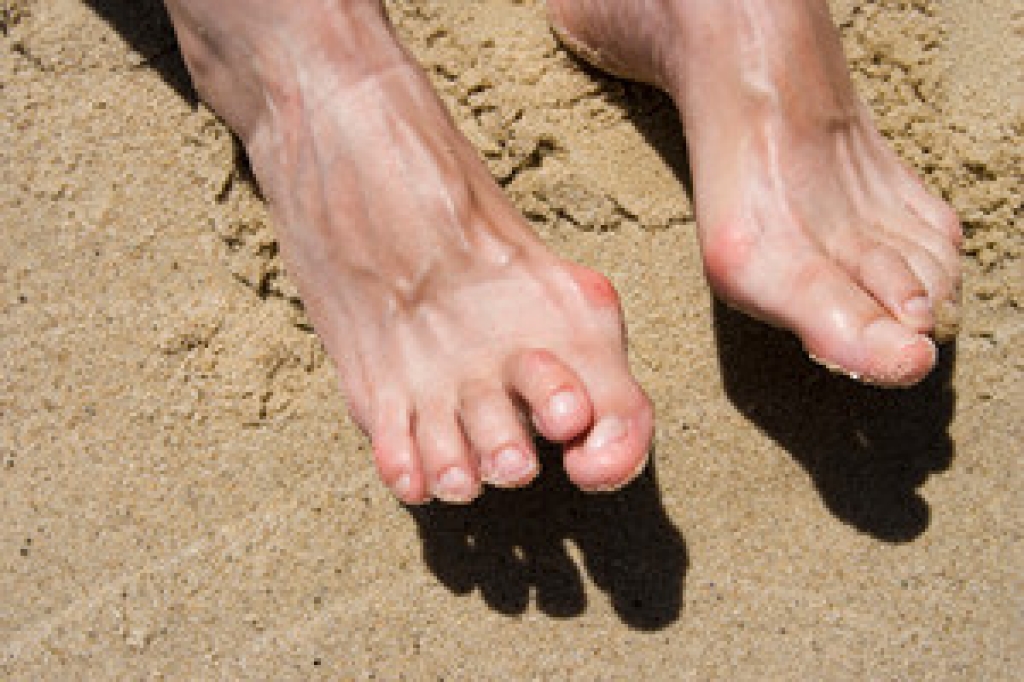
Morton’s neuroma is a painful condition that affects the nerve between the third and fourth toes, often caused by thickening of the nerve tissue. Symptoms include sharp, burning pain that shoots between the toes, tingling, or the feeling of standing on a pebble. Common causes include wearing tight or narrow shoes that compress the toes, having flat feet, or existing conditions such as bunions that alter foot alignment. A podiatrist can diagnose Morton’s neuroma through an examination and imaging tests, then provide treatment options, such as footwear modifications, custom orthotics, or anti-inflammatory therapy to relieve pressure and pain. If you have pain in this part of your foot, it is suggested that you consult a podiatrist who can accurately diagnose and treat the problem.

Morton’s neuroma is a very uncomfortable condition to live with. If you think you have Morton’s neuroma, contact one of our podiatrists of Comprehensive Foot & Ankle Center. Our doctors will attend to all of your foot care needs and answer any of your related questions.  

Morton’s Neuroma

Morton's neuroma is a painful foot condition that commonly affects the areas between the second and third or third and fourth toe, although other areas of the foot are also susceptible. Morton’s neuroma is caused by an inflamed nerve in the foot that is being squeezed and aggravated by surrounding bones.

What Increases the Chances of Having Morton’s Neuroma?

  • Ill-fitting high heels or shoes that add pressure to the toe or foot
  • Jogging, running or any sport that involves constant impact to the foot
  • Flat feet, bunions, and any other foot deformities

Morton’s neuroma is a very treatable condition. Orthotics and shoe inserts can often be used to alleviate the pain on the forefront of the feet. In more severe cases, corticosteroids can also be prescribed. In order to figure out the best treatment for your neuroma, it’s recommended to seek the care of a podiatrist who can diagnose your condition and provide different treatment options.

If you have any questions, please feel free to contact our offices located in Lehigh Ave and Nazareth Hospital in Philadelphia, Collegeville Darby, and Langhorne, PA . We offer the newest diagnostic and treatment technologies for all your foot care needs.

Read more about What is Morton's Neuroma?

We Can Treat Your Foot or Ankle Pain

Foot or ankle pain can negatively affect your day-to-day life and can occur due to several different conditions. Pain can also be an indicator of a more serious underlying condition, which is why you should seek professional help as soon as you notice any abnormalities in your feet.

Gout and Why the Big Toe Often Suffers First

Gout is a painful form of arthritis caused by the buildup of uric acid crystals in the joints. It often leads to sudden swelling, redness, and intense pain, commonly affecting the big toe. Risk factors include genetics, obesity, a diet high in red meat or alcohol, and certain medical conditions. The big toe is especially vulnerable because it is a cooler area of the body where uric acid crystals are more likely to form. A podiatrist can diagnose gout, manage inflammation, and recommend lifestyle changes to prevent future flare-ups. If you have severe pain in your big toe, it is suggested that you are under the care of a podiatrist who can help you to manage this painful condition.

Gout is a foot condition that requires certain treatment and care. If you are seeking treatment, contact one of our podiatrists from Comprehensive Foot & Ankle Center. Our doctors will treat your foot and ankle needs.

What Is Gout?

Gout is a type of arthritis caused by a buildup of uric acid in the bloodstream. It often develops in the foot, especially the big toe area, although it can manifest in other parts of the body as well. Gout can make walking and standing very painful and is especially common in diabetics and the obese.

People typically get gout because of a poor diet. Genetic predisposition is also a factor. The children of parents who have had gout frequently have a chance of developing it themselves.

Gout can easily be identified by redness and inflammation of the big toe and the surrounding areas of the foot. Other symptoms include extreme fatigue, joint pain, and running high fevers. Sometimes corticosteroid drugs can be prescribed to treat gout, but the best way to combat this disease is to get more exercise and eat a better diet.

If you have any questions, please feel free to contact our offices located in Lehigh Ave and Nazareth Hospital in Philadelphia, Collegeville Darby, and Langhorne, PA . We offer the newest diagnostic and treatment technologies for all your foot care needs.

Read more about Everything You Need to Know About Gout

Exploring the Challenges of Foot Drop

Foot drop is a condition in which a person has difficulty lifting the front part of the foot, often caused by nerve injury, muscle weakness, or neurological disorders such as stroke or neuropathy. It may look like the foot drags while walking, and many individuals develop a high-stepping gait to avoid tripping. Foot drop can feel awkward, tiring, or unstable, and some people notice numbness or tingling along the shin or top of the foot. Foot drop is a symptom rather than a standalone diagnosis, meaning the underlying cause must be identified for proper treatment. A podiatrist can begin by evaluating muscle strength, nerve function, and gait patterns to pinpoint the source of the problem. Treatment options may include bracing to support the foot, custom orthotics, or strategies to improve balance and mobility. Early intervention helps reduce long-term complications and improves confidence while walking. If you notice changes in your walking pattern or difficulty lifting your foot, it is suggested that you make an appointment with a podiatrist.

Foot Pain

Foot pain can be extremely painful and debilitating. If you have a foot pain, consult with one of our podiatrists from Comprehensive Foot & Ankle Center. Our doctors will assess your condition and provide you with quality foot and ankle treatment.

Causes

Foot pain is a very broad condition that could be caused by one or more ailments. The most common include:

  • Bunions
  • Hammertoes
  • Plantar Fasciitis
  • Bone Spurs
  • Corns
  • Tarsal Tunnel Syndrome
  • Ingrown Toenails
  • Arthritis (such as Gout, Rheumatoid, and Osteoarthritis)
  • Flat Feet
  • Injury (from stress fractures, broken toe, foot, ankle, Achilles tendon ruptures, and sprains)
  • And more

Diagnosis

To figure out the cause of foot pain, podiatrists utilize several different methods. This can range from simple visual inspections and sensation tests to X-rays and MRI scans. Prior medical history, family medical history, and any recent physical traumatic events will all be taken into consideration for a proper diagnosis.

Treatment

Treatment depends upon the cause of the foot pain. Whether it is resting, staying off the foot, or having surgery; podiatrists have a number of treatment options available for foot pain.

If you have any questions, please feel free to contact our offices located in Lehigh Ave and Nazareth Hospital in Philadelphia, Collegeville Darby, and Langhorne, PA . We offer the newest diagnostic and treatment technologies for all your foot care needs.

Read more about Foot Pain

Different Types of Running Shoes

Choosing the right running shoes is key to comfort and injury prevention. Neutral shoes are designed for runners with a natural gait who do not require extra support, offering lightweight cushioning for flexibility. Stability shoes provide moderate support for runners with mild overpronation, helping to maintain proper alignment. Motion control shoes offer maximum support and structure for those with significant overpronation, reducing stress on the feet and ankles. A podiatrist can assess your gait, foot type, and running style to recommend the most suitable shoe. Professional guidance ensures your shoes match your needs, improving performance and reducing injury risks. Wearing the wrong running shoes can lead to foot and ankle discomfort. If this applies to you, it is suggested that you consult a podiatrist who can treat various foot conditions, and guide you on wearing the correct running shoes. 

If you are a runner, wearing the right running shoe is essential. For more information, contact one of our podiatrists from Comprehensive Foot & Ankle Center. Our doctors can provide the care you need to keep you pain-free and on your feet.

Choosing the Right Running Shoe for Your Foot Type

To increase performance and avoid the risk of injury, it is important to choose the right running shoe based on your foot type. The general design of running shoes revolves around pronation, which is how the ankle rolls from outside to inside when the foot strikes the ground.

  • Neutral runners are able to choose from a wide variety of shoes, including minimalist shoes or even going barefoot.
  • Runners who overpronate, or experience an over-abundance of ankle rolling, should choose shoes that provide extra motion control and stability.
  • Runners who underpronate, or supinate, have feet that have high arches and lack flexibility, preventing shock absorption. They require shoes with more flexibility and cushion.

If you have any questions, please feel free to contact our offices located in Lehigh Ave and Nazareth Hospital in Philadelphia, Collegeville Darby, and Langhorne, PA . We offer the newest diagnostic and treatment technologies for all your foot care needs.

Read more about Choosing the Right Running Shoe

Connect With Us

scroll to top