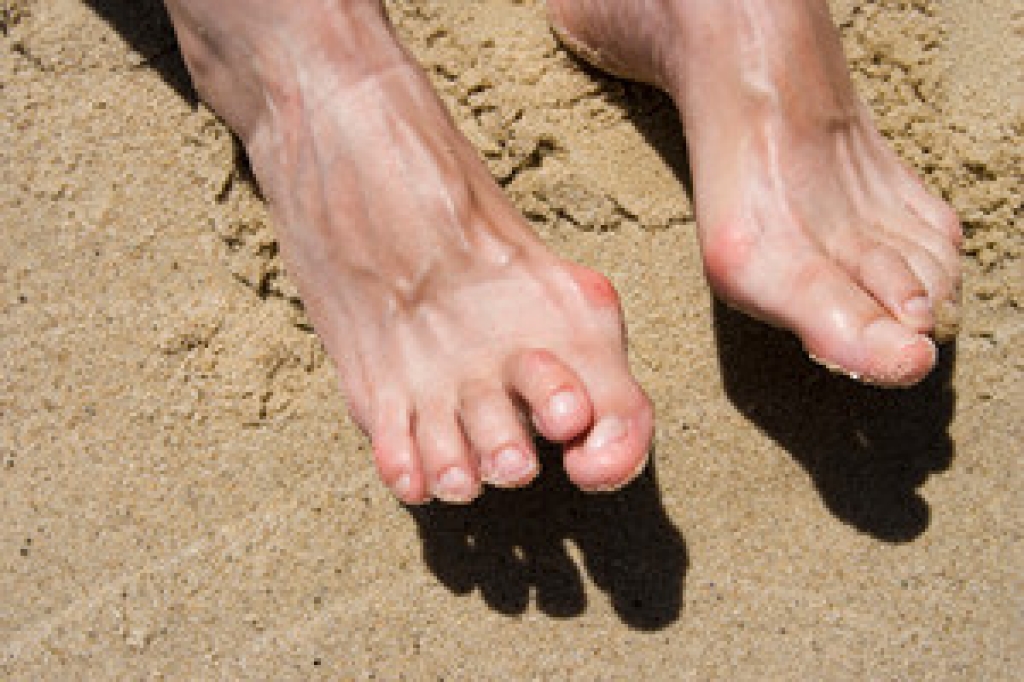
Painful Bone Spurs

Bone spurs are bony growths that develop along the edges of bones, often in the foot or heel. They usually form over time due to repeated stress, inflammation, or pressure on a joint or tendon. In the foot, bone spurs are commonly associated with plantar fasciitis, arthritis, or chronic tendon irritation. Some bone spurs cause no symptoms, while others lead to sharp pain, especially with the first steps in the morning or after long periods of standing. The area may feel tender, and discomfort can increase when wearing certain shoes. Although the spur itself is a bony projection, the pain often comes from surrounding inflammation rather than the bone growth alone. A podiatrist can diagnose bone spurs through examination and imaging studies. Treatment may include supportive footwear, custom orthotics, anti-inflammatory care, and targeted exercises to relieve strain. In more persistent cases, additional procedures may be considered. If you have bone spurs, it is suggested that you make an appointment with a podiatrist for proper evaluation and treatment.

Heel spurs can be incredibly painful and sometimes may make you unable to participate in physical activities. To get medical care for your heel spurs, contact one of our podiatrists from Comprehensive Foot & Ankle Center. Our doctors will do everything possible to treat your condition.

Heels Spurs

Heel spurs are formed by calcium deposits on the back of the foot where the heel is. This can also be caused by small fragments of bone breaking off one section of the foot, attaching onto the back of the foot. Heel spurs can also be bone growth on the back of the foot and may grow in the direction of the arch of the foot.

Older individuals usually suffer from heel spurs and pain sometimes intensifies with age. One of the main condition's spurs are related to is plantar fasciitis.

Pain

The pain associated with spurs is often because of weight placed on the feet. When someone is walking, their entire weight is concentrated on the feet. Bone spurs then have the tendency to affect other bones and tissues around the foot. As the pain continues, the feet will become tender and sensitive over time.

Treatments

There are many ways to treat heel spurs. If one is suffering from heel spurs in conjunction with pain, there are several methods for healing. Medication, surgery, and herbal care are some options.

If you have any questions, please feel free to contact our offices located in Lehigh Ave and Nazareth Hospital in Philadelphia, Collegeville Darby, and Langhorne, PA . We offer the newest diagnostic and treatment technologies for all your foot care needs.

Read more about Heel Spurs

Broken Toe Facts and When to Seek Care

A broken toe is a fracture of one of the small bones in the toe, often caused by direct trauma or excessive force. This injury may occur from stubbing the toe, dropping a heavy object on the foot, or experiencing a sports-related accident. Common symptoms include sharp pain, swelling, bruising, tenderness, and difficulty walking. In some cases, the toe may appear misaligned or feel stiff. Diagnosis is typically made through a physical examination and confirmed with an X-ray to determine the extent of the fracture. A podiatrist can provide proper treatment, stabilization, and guidance for healing. If you have sustained a toe injury, it is suggested that you consult a podiatrist who can provide an accurate diagnosis and effective treatment solutions.

A broken toe can be very painful and lead to complications if not properly fixed. If you have any concerns about your feet, contact one of our podiatrists from Comprehensive Foot & Ankle Center. Our doctors will treat your foot and ankle needs.

What to Know About a Broken Toe

Although most people try to avoid foot trauma such as banging, stubbing, or dropping heavy objects on their feet, the unfortunate fact is that it is a common occurrence. Given the fact that toes are positioned in front of the feet, they typically sustain the brunt of such trauma. When trauma occurs to a toe, the result can be a painful break (fracture).

Symptoms of a Broken Toe

  • Throbbing pain
  • Swelling
  • Bruising on the skin and toenail
  • The inability to move the toe
  • Toe appears crooked or disfigured
  • Tingling or numbness in the toe

Generally, it is best to stay off of the injured toe with the affected foot elevated.

Severe toe fractures may be treated with a splint, cast, and in some cases, minor surgery. Due to its position and the pressure it endures with daily activity, future complications can occur if the big toe is not properly treated.

If you have any questions, please feel free to contact our offices located in Lehigh Ave and Nazareth Hospital in Philadelphia, Collegeville Darby, and Langhorne, PA . We offer the newest diagnostic and treatment technologies for all your foot care needs.

Read more about What to Know About a Broken Toe

Negative Affects of Wearing High Heels

Wearing high heels changes the way the body stands and walks. The raised heel pushes body weight forward onto the ball of the foot, which can lead to bunions, hammertoes, and burning pain under the toes. Because the foot is held at an angle, the ankle becomes less stable, and the calf muscles gradually tighten. This makes walking less natural and can cause ankle sprains. Over time, the knees, hips, and lower back compensate for this altered posture, which can lead to aching legs and back discomfort after only a short period of standing or walking. A podiatrist can examine foot alignment, identify pressure points, and determine whether structural changes have developed. Treatment options include custom orthotics, protective padding, and professional care for irritated joints, nerves, or deformities caused by prolonged wearing of high-heeled shoes. If you have foot pain after wearing high heels, it is suggested that you make an appointment with a podiatrist for an exam, diagnosis, and treatment.

High heels have a history of causing foot and ankle problems. If you have any concerns about your feet or ankles, contact one of our podiatrists from Comprehensive Foot & Ankle Center. Our doctors can provide the care you need to keep you pain-free and on your feet.

Effects of High Heels on the Feet

High heels are popular shoes among women because of their many styles and societal appeal.  Despite this, high heels can still cause many health problems if worn too frequently.

Which Parts of My Body Will Be Affected by High Heels?

  • Ankle Joints
  • Achilles Tendon – May shorten and stiffen with prolonged wear
  • Balls of the Feet
  • Knees – Heels cause the knees to bend constantly, creating stress on them
  • Back – They decrease the spine’s ability to absorb shock, which may lead to back pain.  The vertebrae of the lower back may compress.

What Kinds of Foot Problems Can Develop from Wearing High Heels?

  • Corns
  • Calluses
  • Hammertoe
  • Bunions
  • Morton’s Neuroma
  • Plantar Fasciitis

How Can I Still Wear High Heels and Maintain Foot Health?

If you want to wear high heeled shoes, make sure that you are not wearing them every day, as this will help prevent long term physical problems.  Try wearing thicker heels as opposed to stilettos to distribute weight more evenly across the feet.  Always make sure you are wearing the proper shoes for the right occasion, such as sneakers for exercising.  If you walk to work, try carrying your heels with you and changing into them once you arrive at work.  Adding inserts to your heels can help cushion your feet and absorb shock. Full foot inserts or metatarsal pads are available. 

If you have any questions, please feel free to contact our offices located in Lehigh Ave and Nazareth Hospital in Philadelphia, Collegeville Darby, and Langhorne, PA . We offer the newest diagnostic and treatment technologies for all your foot care needs.

Read more about Effect of High Heels on the Feet

When the Middle of the Foot Sends a Warning

Foot arch pain can affect people of all ages and activity levels. It often develops when the structures that support the arch become strained or inflamed due to overuse, flat feet, high arches, or sudden changes in activity. Symptoms include aching, burning, or sharp pain along the inner or central part of the foot that worsens with standing or walking. The foot may look normal or show subtle swelling, and the arch can feel tender or fatigued, especially first thing in the morning or after long periods on the feet. A podiatrist can help by starting with a detailed history and physical examination, sometimes supported by imaging, to identify the exact cause. Treatment may begin with footwear guidance and custom orthotics, followed by targeted exercises, activity modification, and other therapies to reduce strain and improve support. If you have foot arch pain, it is suggested that you make an appointment with a podiatrist.

Foot Pain

Foot pain can be extremely painful and debilitating. If you have a foot pain, consult with one of our podiatrists from Comprehensive Foot & Ankle Center. Our doctors will assess your condition and provide you with quality foot and ankle treatment.

Causes

Foot pain is a very broad condition that could be caused by one or more ailments. The most common include:

  • Bunions
  • Hammertoes
  • Plantar Fasciitis
  • Bone Spurs
  • Corns
  • Tarsal Tunnel Syndrome
  • Ingrown Toenails
  • Arthritis (such as Gout, Rheumatoid, and Osteoarthritis)
  • Flat Feet
  • Injury (from stress fractures, broken toe, foot, ankle, Achilles tendon ruptures, and sprains)
  • And more

Diagnosis

To figure out the cause of foot pain, podiatrists utilize several different methods. This can range from simple visual inspections and sensation tests to X-rays and MRI scans. Prior medical history, family medical history, and any recent physical traumatic events will all be taken into consideration for a proper diagnosis.

Treatment

Treatment depends upon the cause of the foot pain. Whether it is resting, staying off the foot, or having surgery; podiatrists have a number of treatment options available for foot pain.

If you have any questions, please feel free to contact our offices located in Lehigh Ave and Nazareth Hospital in Philadelphia, Collegeville Darby, and Langhorne, PA . We offer the newest diagnostic and treatment technologies for all your foot care needs.

Read more about Foot Pain

Heel Pain in the Morning?

Heel pain can negatively affect your day-to-day life. Simple activities like walking can become incredibly uncomfortable or painful due to heel pain.

Don’t live with heel pain and get treated.

Connect With Us

scroll to top