
Plantar warts are small growths that develop on parts of the feet that bear weight. They're typically found on the bottom of the foot. Don't live with plantar warts, and call us today!
Plantar warts are small growths that develop on parts of the feet that bear weight. They're typically found on the bottom of the foot. Don't live with plantar warts, and call us today!

Hammertoe is a foot deformity that causes a toe to bend downward at the middle joint. It most often affects the second, third, or fourth toe. The affected toe may look curled or raised near its base, with the middle joint pointing downward. Symptoms can include pain, stiffness, and difficulty wearing shoes. Corns or calluses may develop where the bent toe rubs against footwear. Without treatment, hammertoe can become more rigid and uncomfortable.
Hammertoe may develop because of muscle imbalance, inherited foot structure, or shoes that squeeze the toes. Risk factors include family history, aging, previous foot injuries, and wearing narrow footwear for most of the day. High heels can also increase pressure on the front of the foot. Hammertoe in the early stages may remain flexible, allowing the toe to move with pressure. As the deformity progresses, the joint may become stiff and fixed, making walking uncomfortable.
A podiatrist begins by examining the toe, checking its flexibility, and reviewing symptoms and footwear habits. Mild hammertoe may be treated with roomier shoes, padding, or orthotics. When the deformity causes persistent pain or becomes rigid, hammertoe surgery may be considered. Surgical correction depends on the severity and structure of the toe. The podiatrist may straighten the joint, release tight tissues, or remove a small portion of bone. The goal is to improve alignment and reduce painful pressure.
After surgery, the toe is protected with dressing, footwear, or immobilization while healing begins. Weight-bearing instructions depend on the procedure performed. Follow-up visits allow the podiatrist to check healing and monitor alignment. Recovery may also include gentle exercises to restore movement and strength. Do not ignore a toe that gradually becomes curled, painful, or difficult to fit into shoes. If you have hammertoe, it is suggested that you consult a podiatrist for effective treatment solutions, which may include surgery for relief and comfort.
Foot surgery is sometimes necessary to treat a foot ailment. To learn more, contact one of our podiatrists of Comprehensive Foot & Ankle Center. Our doctors will assist you with all of your foot and ankle needs.
When Is Surgery Necessary?
Foot and ankle surgery is generally reserved for cases in which less invasive, conservative procedures have failed to alleviate the problem. Some of the cases in which surgery may be necessary include:
What Types of Surgery Are There?
The type of surgery you receive will depend on the nature of the problem you have. Some of the possible surgeries include:
Benefits of Surgery
Although surgery is usually a last resort, it can provide more complete pain relief compared to non-surgical methods and may allow you to finally resume full activity.
Surgical techniques have also become increasingly sophisticated. Techniques like endoscopic surgery allow for smaller incisions and faster recovery times.
If you have any questions, please feel free to contact our offices located in Lehigh Ave and Nazareth Hospital in Philadelphia, Collegeville Darby, and Langhorne, PA . We offer the newest diagnostic and treatment technologies for all your foot care needs.
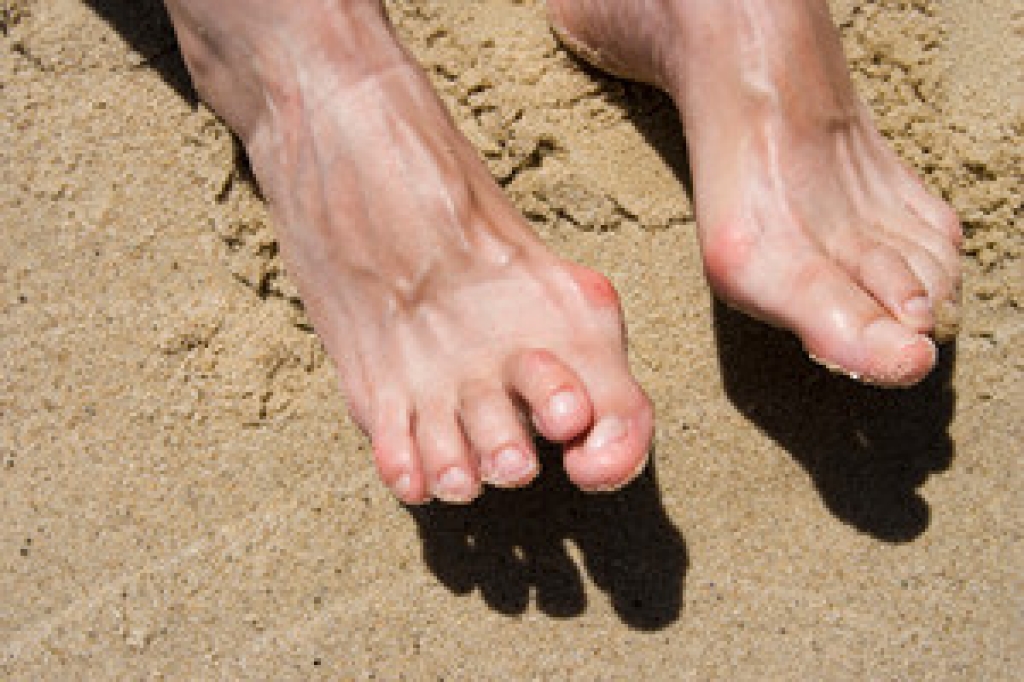
Hammertoe is a foot deformity that causes one of the smaller toes to bend downward at the middle joint instead of lying flat. The condition usually affects the second toe, although it can involve other toes. At first, the toe may still move freely. As the condition progresses, the joint can become stiff and more difficult to straighten. People with hammertoe frequently notice pain, swelling, and irritation where the bent toe rubs against shoes. Corns and calluses can also develop because of repeated pressure. A podiatrist carefully examines the affected toe, evaluates its flexibility, and determines whether nearby joints are also involved. X-rays help reveal changes in bone alignment and assist with planning the most appropriate treatment.
Several factors can contribute to hammertoe. Muscle imbalance is one of the most common causes. This happens when the muscles and tendons that control the toe no longer work together properly, causing the toe to remain in a bent position. Arthritis, foot injuries, and inherited foot structure can also increase the risk of developing hammertoe. Wearing shoes that do not fit properly can place added pressure on the toes and make the deformity worse. As the condition advances, walking can become uncomfortable because the bent toe no longer rests naturally against the ground. A podiatrist evaluates the severity of the deformity and checks for joint stiffness, pain, and changes in foot function.
Treatment depends on how flexible the toe remains and how much the deformity affects daily activities. A podiatrist develops a treatment plan that improves comfort, restores function, and helps prevent further changes in toe alignment. Care includes custom orthotics, protective padding, and careful monitoring of the affected joints. Custom orthotics are specially made shoe inserts that improve foot support and reduce pressure on the toes. When the toe becomes rigid or the deformity is severe, surgery can straighten the toe and improve its position. If you have symptoms of hammertoe, it is suggested that you schedule an appointment with a podiatrist for effecitve relief, treatment and management tips.
Hammertoes can be a painful condition to live with. For more information, contact one of our podiatrists of Comprehensive Foot & Ankle Center. Our doctors will answer any of your foot- and ankle-related questions.
Hammertoe
Hammertoe is a foot deformity that occurs due to an imbalance in the muscles, tendons, or ligaments that normally hold the toe straight. It can be caused by the type of shoes you wear, your foot structure, trauma, and certain disease processes.
Symptoms
Risk Factors
Treatment
If you have hammertoe, you should change into a more comfortable shoe that provides enough room for your toes. Exercises such as picking up marbles may strengthen and stretch your toe muscles. Nevertheless, it is important to seek assistance from a podiatrist in order to determine the severity of your hammertoe and see which treatment option will work best for you.
If you have any questions, please feel free to contact our offices located in Lehigh Ave and Nazareth Hospital in Philadelphia, Collegeville Darby, and Langhorne, PA . We offer the newest diagnostic and treatment technologies for all your foot care needs.

Running places repeated force on the ankles. Ankle pain after a run can develop following a sudden increase in distance, speed, or hill training. Wearing shoes that lack proper support can also place extra stress on the ankle. Pain may come from irritated tendons, weak ankle muscles, or excessive inward rolling of the foot. Other causes include an earlier sprain that did not heal fully, arthritis, or a stress fracture. A stress fracture is a small crack in a bone caused by repeated force. Pain location and timing can offer useful clues about its cause.
Symptoms may differ depending on which part of the ankle is injured. Tendon problems can cause aching near the inner or outer ankle. Nerve pressure can produce burning, tingling, or numbness around the ankle and foot. A lingering sprain may lead to swelling or a feeling that the ankle could give way. A stress fracture usually causes pain in one specific spot. The discomfort may become sharper with impact and continue after the run ends. Severe pain, marked swelling, or difficulty placing weight on the foot requires prompt evaluation. Continuing to run with an untreated injury can worsen tissue damage and delay a safe return to activity.
A podiatrist can examine the ankle, review the patient’s training routine, and assess foot movement. X-rays can help identify fractures or arthritis. Other imaging tests can show damage that does not appear clearly on an X-ray. Treatment depends on the cause and severity of the pain. A podiatrist can provide bracing or custom orthotics to improve support and reduce strain. The podiatrist can also discuss running form and create a safe plan for returning to activity. Some severe injuries may require surgery, but many running-related ankle problems improve with early care. If you have ankle pain after running, it is suggested that you schedule an appointment with a podiatrist for a diagnosis appropriate and treatment.
Ankle pain can be caused by a number of problems and may be potentially serious. If you have ankle pain, consult with one of our podiatrists from Comprehensive Foot & Ankle Center. Our doctors will assess your condition and provide you with quality foot and ankle treatment.
Ankle pain is any condition that causes pain in the ankle. Due to the fact that the ankle consists of tendons, muscles, bones, and ligaments, ankle pain can come from a number of different conditions.
Causes
The most common causes of ankle pain include:
Symptoms
Symptoms of ankle injury vary based upon the condition. Pain may include general pain and discomfort, swelling, aching, redness, bruising, burning or stabbing sensations, and/or loss of sensation.
Diagnosis
Due to the wide variety of potential causes of ankle pain, podiatrists will utilize a number of different methods to properly diagnose ankle pain. This can include asking for personal and family medical histories and of any recent injuries. Further diagnosis may include sensation tests, a physical examination, and potentially x-rays or other imaging tests.
Treatment
Just as the range of causes varies widely, so do treatments. Some more common treatments are rest, ice packs, keeping pressure off the foot, orthotics and braces, medication for inflammation and pain, and surgery.
If you have any questions please feel free to contact our offices located in Lehigh Ave and Nazareth Hospital in Philadelphia, Collegeville Darby, and Langhorne, PA . We offer the newest diagnostic tools and technology to treat your foot and ankle needs.
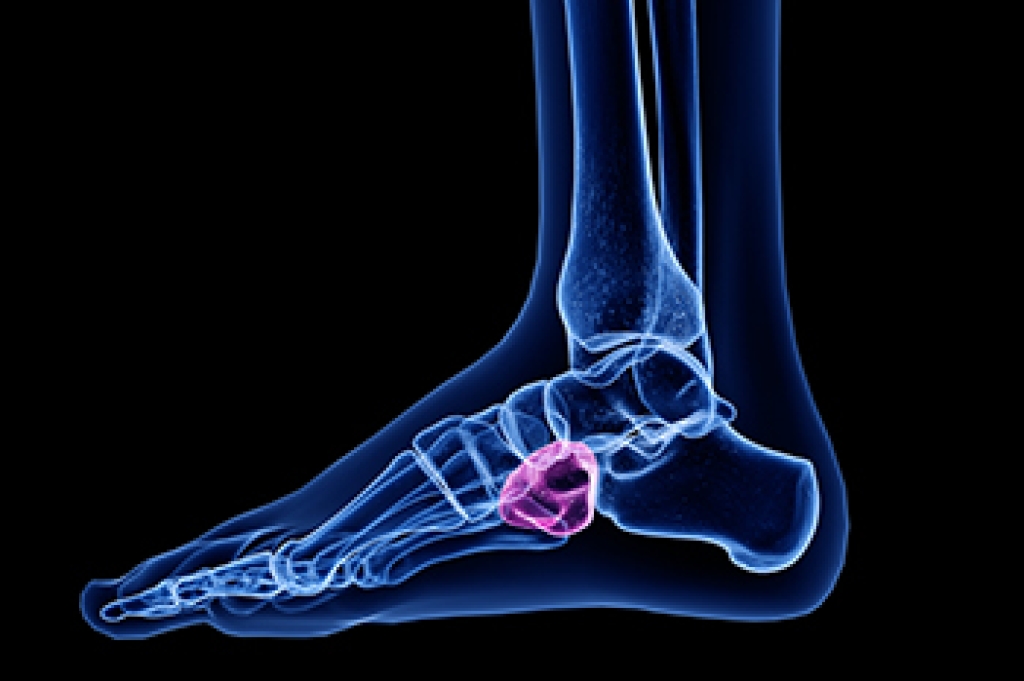
Cuboid syndrome is a possible cause of pain along the outer side of the foot. The cuboid is a small bone located in the middle and outer portion of the foot. It works with nearby joints and tissues to support movement and stability. Cuboid syndrome may occur when this bone and its surrounding joint do not move normally. It can develop after an ankle sprain or from repeated stress placed on the foot. Athletes may be especially affected because running and jumping can place repeated forces on this area. Pain can sometimes be difficult to identify because cuboid syndrome may resemble other causes of lateral foot pain.
Symptoms often include aching or tenderness along the outside of the midfoot. Pain may become more noticeable while standing, walking, or pushing off the foot. Some people develop swelling or experience discomfort that extends toward nearby areas. The condition may also change the way a person walks because placing normal pressure on the foot becomes painful. Cuboid syndrome can occur after an ankle injury, even when the original ankle symptoms begin to improve. There is no single test that confirms every case, so a careful examination is important. Other problems, including fractures and tendon injuries, may need to be ruled out before treatment begins.
A podiatrist can evaluate lateral foot pain and determine whether cuboid syndrome or another condition may be responsible. The examination may include checking foot movement, areas of tenderness, and walking patterns. Imaging may be used when another injury needs to be ruled out. If cuboid syndrome is diagnosed, podiatric treatment can focus on restoring comfortable joint function and addressing factors that place added stress on the foot. Treatment is based on the patient’s symptoms and the cause of the problem. If persistent outer foot pain or difficulty walking is affecting your mobility, it is suggested that you consult a podiatrist for an evaluation and appropriate treatment options.
Cuboid syndrome, also known as cuboid subluxation, occurs when the joints and ligaments near the cuboid bone in the foot become torn. If you have cuboid syndrome, consult with one of our podiatrists from Comprehensive Foot & Ankle Center. Our doctors will assess your condition and provide you with quality foot and ankle treatment.
Cuboid syndrome is a common cause of lateral foot pain, which is pain on the outside of the foot. The condition may happen suddenly due to an ankle sprain, or it may develop slowly overtime from repetitive tension through the bone and surrounding structures.
Causes
The most common causes of cuboid syndrome include:
Symptoms
A common symptom of cuboid syndrome is pain along the outside of the foot which can be felt in the ankle and toes. This pain may create walking difficulties and may cause those with the condition to walk with a limp.
Diagnosis
Diagnosis of cuboid syndrome is often difficult, and it is often misdiagnosed. X-rays, MRIs and CT scans often fail to properly show the cuboid subluxation. Although there isn’t a specific test used to diagnose cuboid syndrome, your podiatrist will usually check if pain is felt while pressing firmly on the cuboid bone of your foot.
Treatment
Just as the range of causes varies widely, so do treatments. Some more common treatments are ice therapy, rest, exercise, taping, and orthotics.
If you have any questions, please feel free to contact our offices located in Lehigh Ave and Nazareth Hospital in Philadelphia, Collegeville Darby, and Langhorne, PA . We offer the newest diagnostic and treatment technologies for all your foot care needs.
Connect With Us
